A Piedmont Farmhouse That Feels Like Home
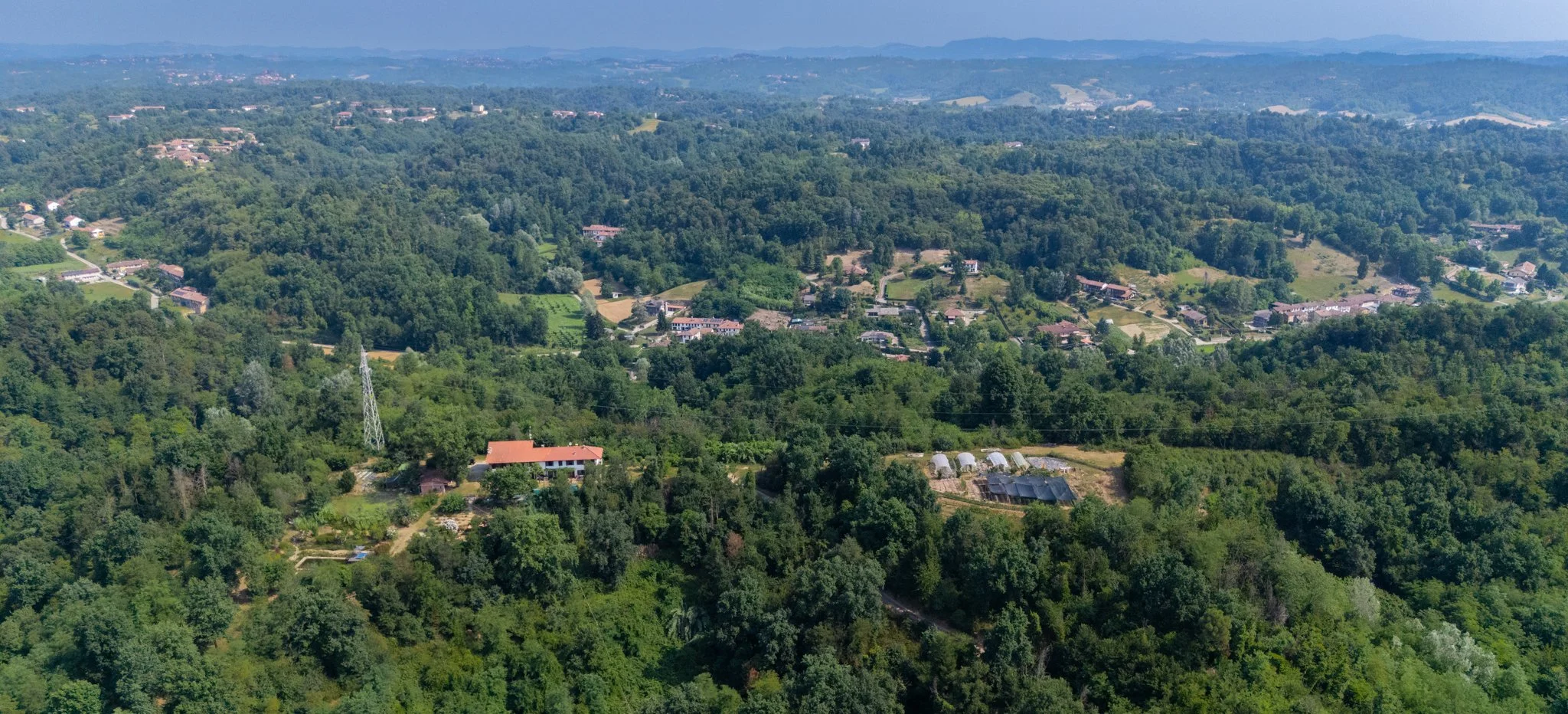
There’s a particular kind of magic that happens when a place hasn’t been designed for tourists, but simply opened its doors to them. That’s La Neira.
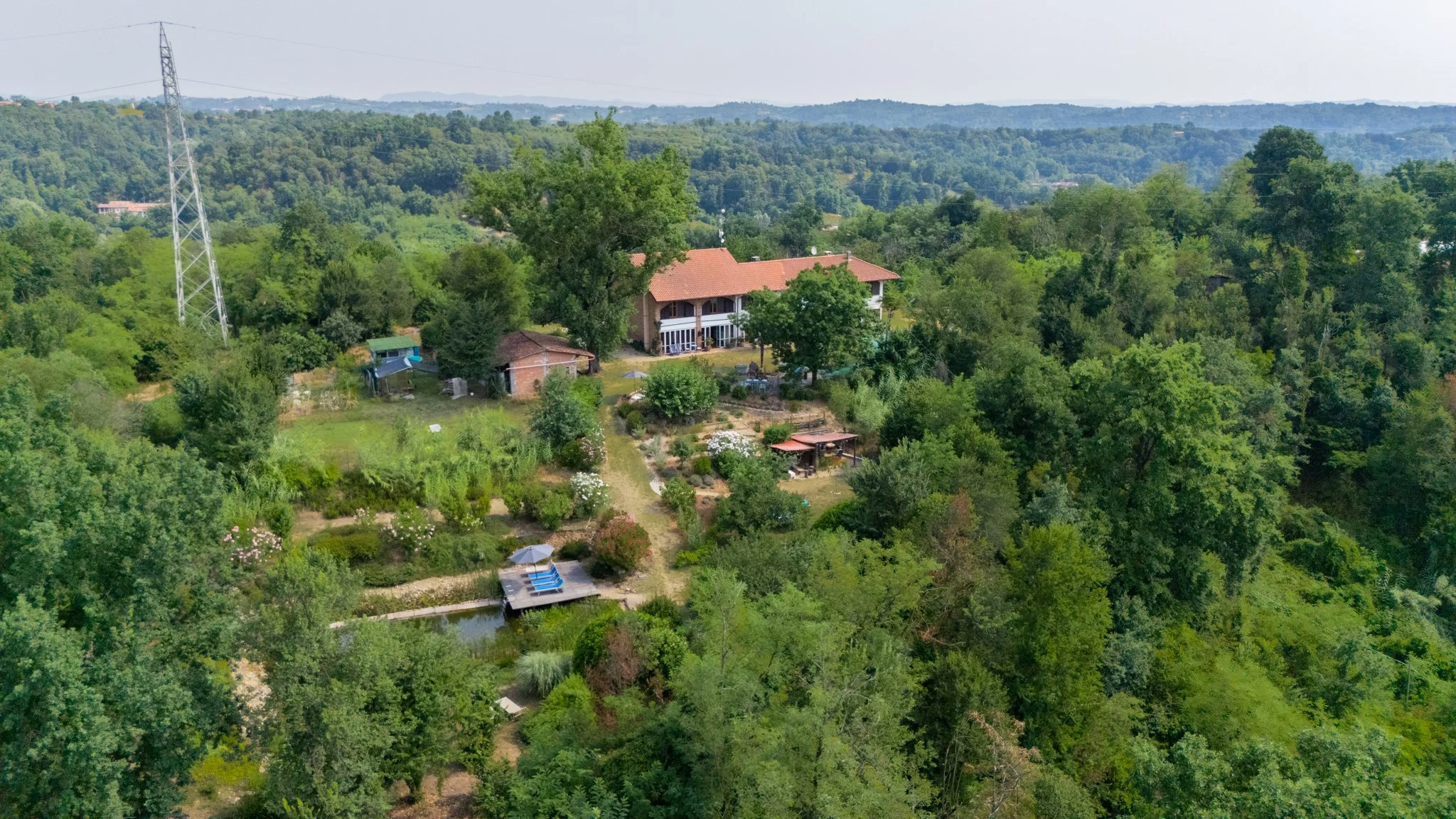
Tucked into the hills just outside Asti, in Italy’s Piedmont region, La Neira is the kind of stay I love finding for clients: personal, deeply rooted, quietly beautiful, and connected to the land in a way that feels completely natural. It is a family-run agriturismo owned by Carla and Anders, who have taken what was once Carla’s childhood home and turned it into a warm, intimate base for experiencing one of Italy’s most delicious and atmospheric regions.
When I spoke with them recently, what stood out most wasn’t only the nearby wine, or the truffles, or the beauty of the countryside — though all of that is very much part of the appeal. It was the feeling that La Neira is still, fundamentally, someone’s home. Carla grew up here when her father ran it as a farmstay, and now she and Anders are carrying that legacy forward in their own way, with gardens, bees, fresh bread, homemade pasta, and the kind of hospitality that feels personal rather than performative.
What Makes an Agriturismo Special
If you haven’t stayed at an agriturismo before, think of it less as a hotel and more as an invitation into rural Italian life. At its best, an agriturismo is rooted in the land around it: meals are shaped by what grows nearby, the pace follows the seasons, and the experience feels more like being welcomed into a working home than checking into a polished resort.
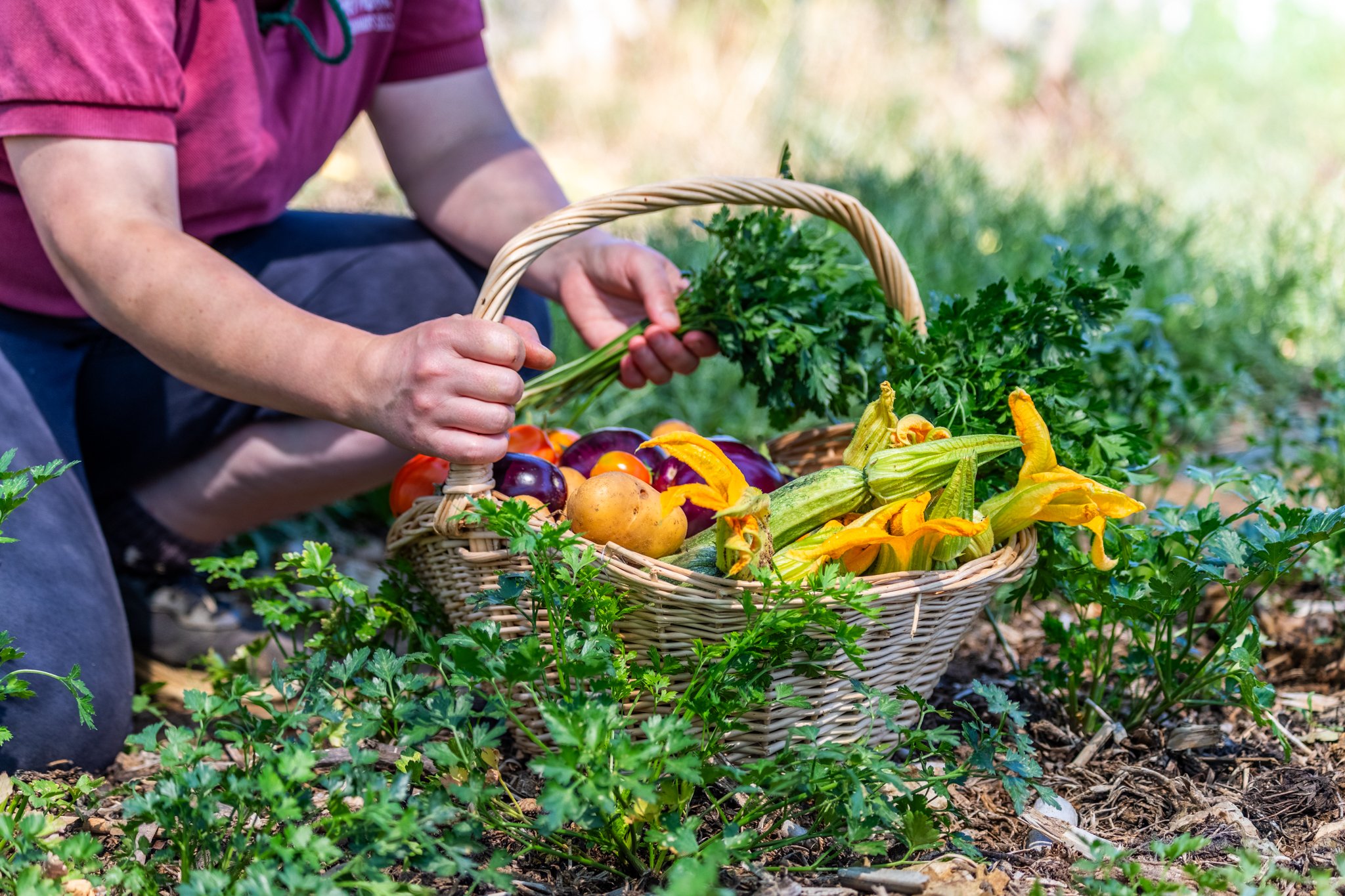
That’s exactly what makes La Neira so compelling. Breakfast might include honey from Anders’ hives and bread baked that morning. Dinner may feature vegetables from Carla’s garden. The experience doesn’t feel styled for guests; it feels lived in, generous, and real.
Why Piedmont Is Worth the Trip
La Neira sits about 30 to 40 minutes from Alba, in the heart of one of Italy's most storied wine regions. In 2014, UNESCO inscribed the vineyard landscapes of the Langhe, Roero, and Monferrato as a World Heritage Site, recognizing more than 10,000 hectares of hills shaped over centuries by winemaking, along with the medieval Castle of Grinzane Cavour. This is the birthplace of Barolo, Barbaresco, Barbera, and Asti Spumante, and the land itself carries the fingerprints of that history: the blue marl soils of the Langhe that give Nebbiolo its structure, the sandy Roero hills that lend Arneis its perfume, and the older, calcareous ground of the Monferrato that favors Barbera and Grignolino.
Carla and Anders have deep connections to local wineries in the Langhe, including organic producers around Barbaresco and Serralunga, and they're happy to arrange cellar tours and tastings for guests through people they actually know and trust.
There's a nice bit of food history in this corner of Piedmont, too: the Slow Food movement, now active in over 160 countries and built around the idea of "good, clean, and fair" food, was founded just down the road in the town of Bra in 1986. You don't need to know that history to enjoy a meal at La Neira, but once you do, it's hard not to notice how naturally the philosophy fits the place. Slow tourism, farm-to-table dining, and a resistance to rushing anything are baked into the culture here.
When to Go: Wine, Truffles, and the Palio di Asti
Fall is one of the most rewarding times to visit Piedmont, especially September and October. Alba draws serious food and wine travelers during truffle season, but nearby Asti offers a slightly quieter, more local-feeling base.
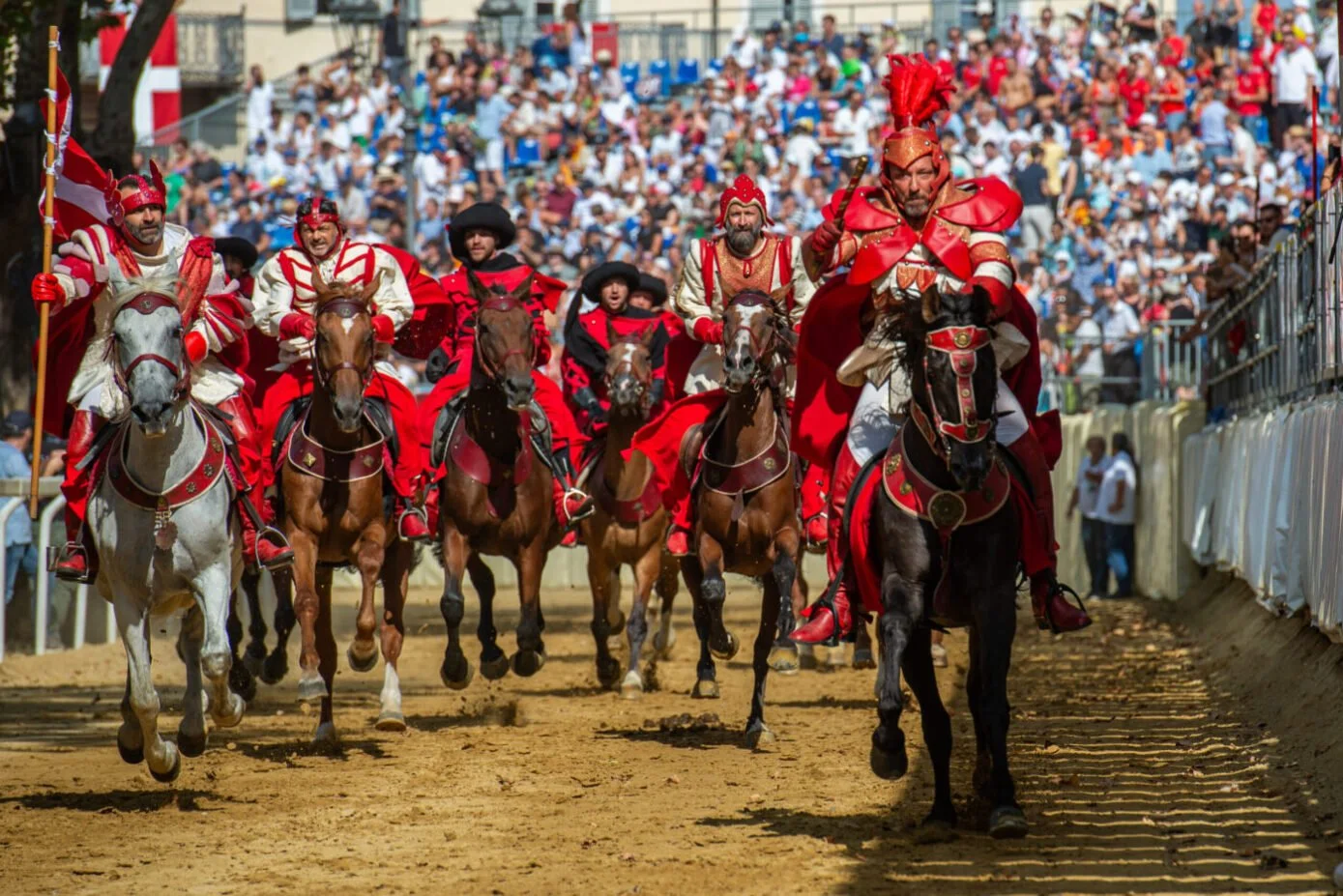
On the first Sunday in September, Asti hosts the Palio di Asti, a bareback horse race first recorded in 1275 and still one of the region’s great traditions. Neighborhoods and surrounding towns compete in Piazza Alfieri, preceded by a medieval procession with more than a thousand people in period dress. It is exactly the kind of event that makes you feel like you’ve stumbled into a living piece of history rather than a performance staged for visitors.
Then, in October, the region shifts toward white truffles. The International Alba White Truffle Fair brings tastings, markets, truffle-hunting demonstrations, and the chance to experience one of Piedmont’s most prized seasonal rituals. If a fall trip to northern Italy is on your radar, this is the kind of timing worth building around.
A Table Filled With Love and Tradition
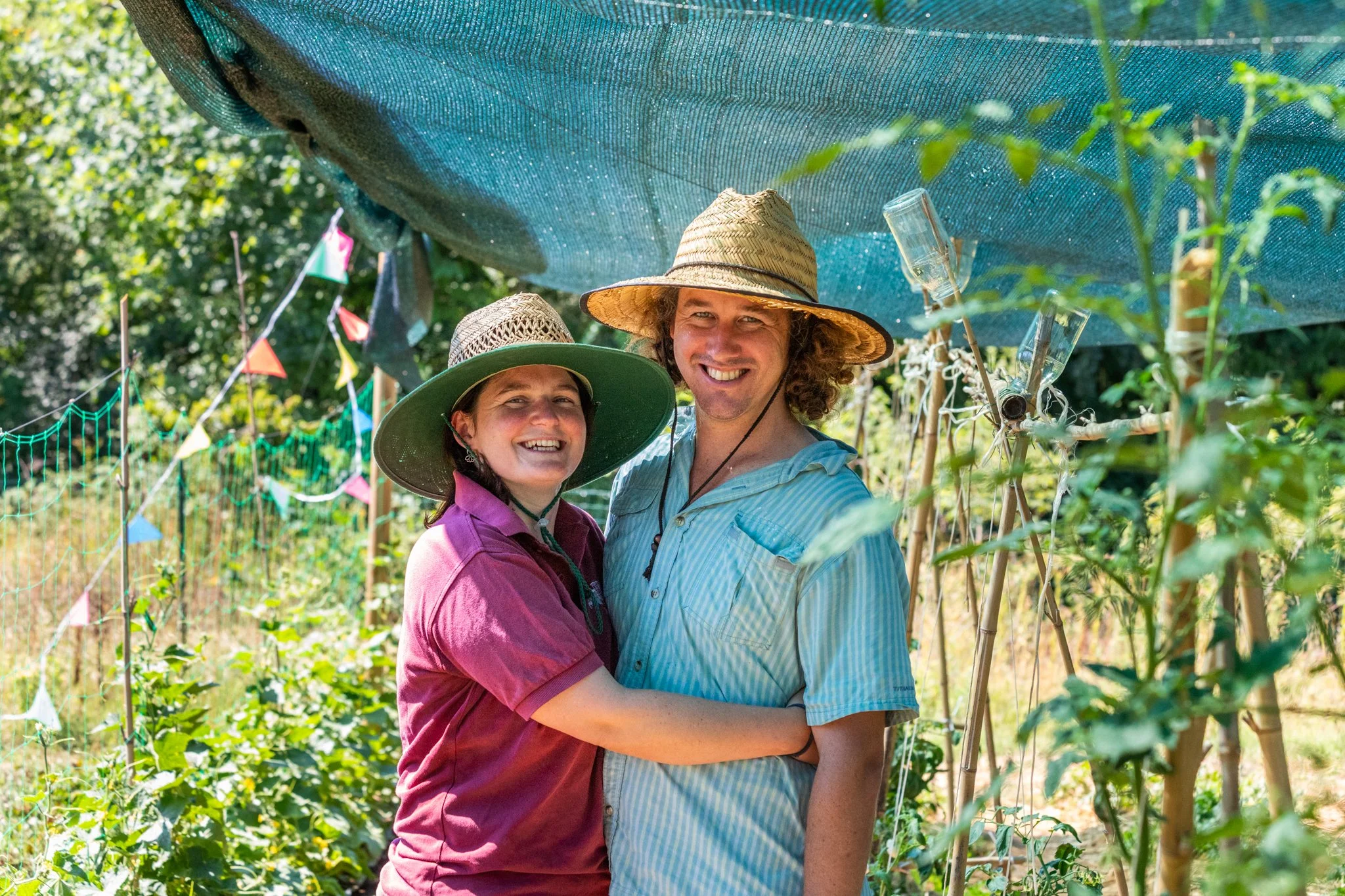
Carla put it best herself:
"Cooking for you is my true labor of love. After spending years gathering international culinary and hospitality experience, I returned home alongside my husband Anders to run our beautiful family estate. I love crafting authentic Piedmontese dishes with a twist, using fresh, vibrant ingredients picked straight from our soil. Every meal here is a celebration of our land."
That land includes a 1,500-square-meter vegetable garden farmed using no-dig methods, an approach that's gained real traction among growers in recent years for good reason. Rather than tilling or turning the soil, no-dig farming builds up layers of compost on the surface and leaves the ground beneath it undisturbed. Left alone, soil holds onto the fungal networks and drainage channels that worms and microorganisms build over time, and research increasingly backs up what farmers like Carla and Anders have found through experience: undisturbed soil tends to produce healthier, more nutrient-dense crops, retains water better, and needs little to no added fertilizer. It's slower, gentler farming, and you can taste the difference.
In the kitchen, that harvest becomes seasonal dinners, homemade pasta, and the kind of meals that guests remember long after they leave. One detail I loved hearing: repeat guests often write ahead before returning to request specific dishes. That tells you everything you need to know.
Anders' bees, fresh bread & sweet treats
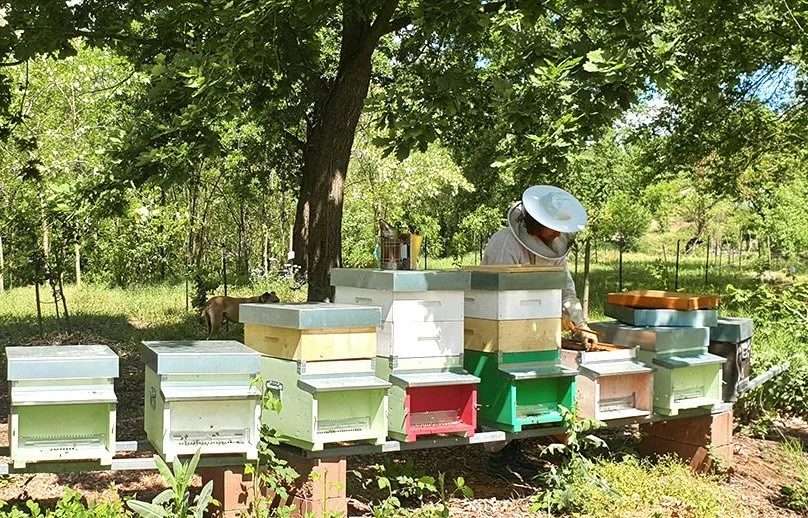
Anders is at the heart of the farm’s ecosystem. He tends the hives scattered across the property himself, helping keep the gardens pollinated and the breakfast table stocked with honey made right there on the land.
Guests who are curious can even suit up in a protective veil and look inside the hives with him — the kind of simple, memorable experience that makes a stay feel personal. He is also the baker, making fresh sourdough from organic flour milled locally in Piedmont.
These are small details, but they are the details that make La Neira feel different. Not grand. Not flashy. Just deeply cared for.
Beyond the Farm
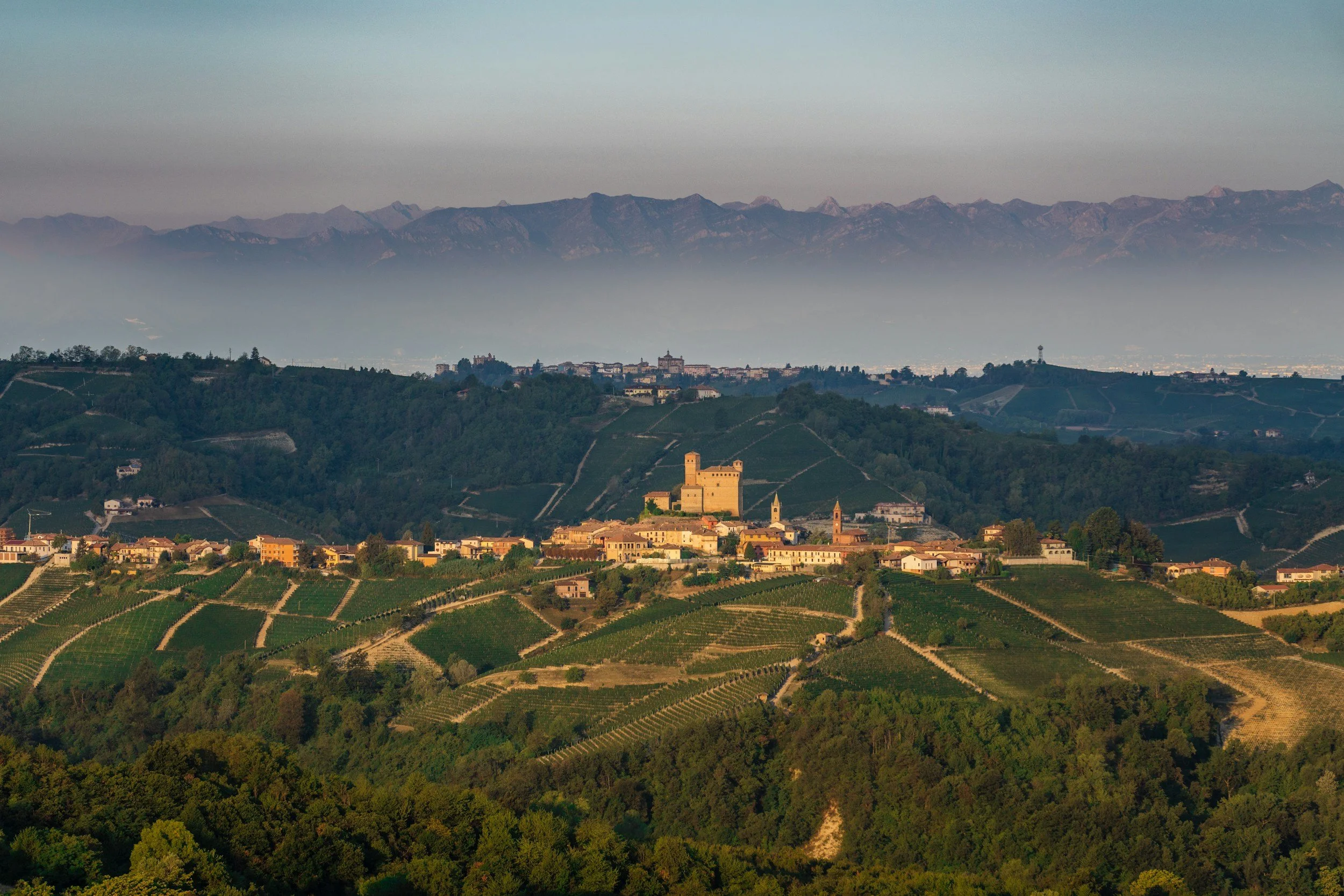
La Neira is perfectly positioned as a base for exploring deeper into the region. Beyond the cellar tours and tastings of Barbera and Barolo, a day trip to Turin is well worth the drive. The city was the seat of the House of Savoy for centuries, and the Palazzo Reale, part of a UNESCO-listed complex of royal residences, is still one of the most striking places in northern Italy to spend an afternoon: gilded state rooms, a staircase considered one of architect Filippo Juvarra's finest works, a royal armory, and a library that holds one of Leonardo da Vinci's only self-portraits. Closer to home, the historic hilltop villages scattered through the Langhe and Monferrato offer the kind of cobblestone-streets-and-local-market charm that doesn't need an itinerary, just a willingness to wander.
Who La Neira Is For
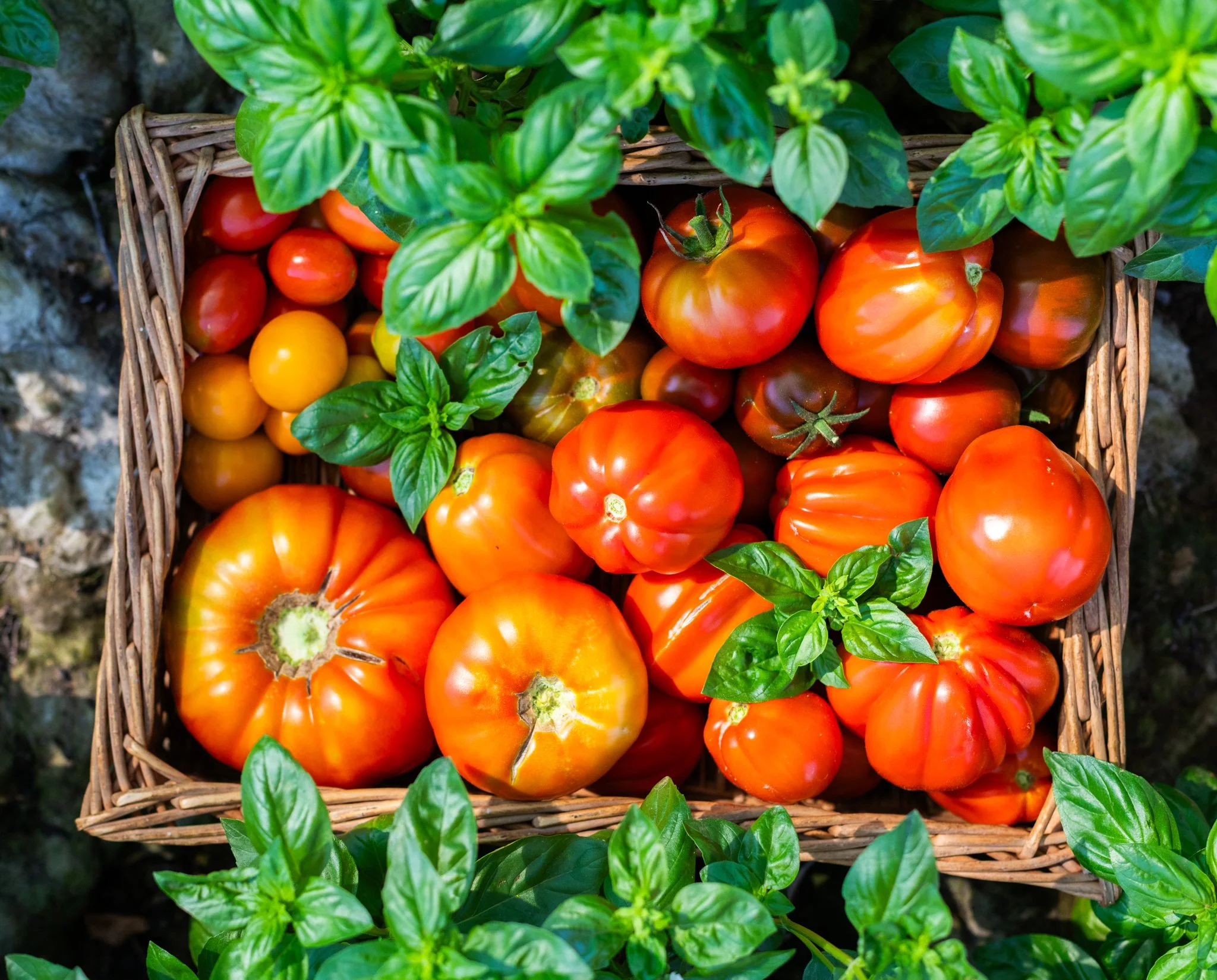
If your idea of a great trip includes a slow breakfast sweetened with honey from the hives out back, an afternoon spent in a cellar somewhere in the Langhe, and dinner built from vegetables pulled from the ground that morning, La Neira is exactly the kind of place I mean when I talk about slow travel. It's not flashy. It's not trying to be. It's a family sharing their home, their food, and their land, in a region that's been perfecting the art of doing exactly that for centuries.
I'll be adding La Neira into upcoming Piedmont and Northern Italy itineraries, including combinations with the Ligurian coast and the Aosta Valley. If it sounds like your kind of trip, reach out and let's talk about building one around it.